Skincare Routine: Morning & Evening Rituals for Sugar Babies

Reading time: 11 minutes
On a spontaneous weekend trip to Monaco or at an elegant gala dinner, how you present yourself depends on more than your outfit. A well-thought-out skincare routine is the foundation for the radiant complexion that wins people over on every date. While many sugar babies spend hours choosing jewelry and accessories, they often underestimate the importance of systematic facial care.
A 2023 study published by Statista shows that women between 18 and 35 use an average of 8 different skincare products every day. But quantity doesn't automatically mean quality. The right order and product selection decide whether your skin actually benefits or you're just wasting money.
Why a Structured Skincare Routine Is Crucial
Your skin is the largest organ of your body and at the same time your personal calling card. In the sugar dating context you meet people who value a well-groomed appearance. An even complexion signals not only health, but also self-care and discipline. These qualities are especially valued in upscale circles.
Dr. Barbara Sturm, German doctor and founder of the skincare line that bears her name, emphasized in a 2022 interview with Vogue Germany that skincare has to work preventively. Her patients from high-society circles invest an average of $300-$500 a month in professional treatments and high-quality products. This investment pays off in the long run, because preventive care is far more effective than damage control after the fact.
The Difference Between Morning and Evening Routines
Your skin has different needs depending on the time of day. In the morning it needs protection from environmental factors, UV radiation and free radicals. In the evening, regeneration takes center stage. According to a 2021 study by Charité Berlin, skin cell renewal peaks between 11 p.m. and 4 a.m. That's why active ingredients like retinol or peptides are especially effective in the evening routine.
The Perfect Morning Skincare Routine
Your morning routine should take 10 minutes at most, but include every step consistently. To save time, start the first step while you're brushing your teeth.
Step 1: Gentle Cleansing
Overnight, your skin has accumulated sebum, dead skin cells and residue from night creams. Use a mild, pH-neutral cleanser. The French brand La Roche-Posay recommends its Toleriane Hydrating Gentle Cleanser with a pH of 5.5, which matches the skin's natural environment. Massage the product in circular motions for 60 seconds and rinse with lukewarm water.
Step 2: Toner or Essence
A toner balances the pH and prepares the skin for the products that follow. Korean skincare routines rely on essences with hyaluronic acid here. The South Korean company Cosrx created a worldwide bestseller with its Advanced Snail 96 Mucin Power Essence, which has been shown to increase skin hydration by 92%.
Step 3: Vitamin C Serum
Vitamin C protects against oxidative stress and brightens pigment spots. The Skinceuticals C E Ferulic Serum has been considered the gold standard since its launch in 2005. With 15% L-ascorbic acid, 1% vitamin E and 0.5% ferulic acid, it offers comprehensive antioxidant protection. Apply 4-5 drops to your face, neck and décolleté and let it absorb completely.
Step 4: Eye Cream
The skin around the eyes is 10 times thinner than on the rest of the face. Gently pat in a hazelnut-sized amount of eye cream with your ring finger. This finger exerts the least pressure. The Kiehl's Creamy Eye Treatment with Avocado contains avocado oil and beta-carotene, which have been shown to reduce dryness lines.
Step 5: Moisturizer
The ideal texture varies depending on your skin type. For normal to dry skin, the Clinique Moisture Surge is a good fit, and for oily skin the oil-free Neutrogena Hydro Boost Water Gel. Both contain hyaluronic acid, which can bind 1,000 times its own weight in water.
Step 6: Sunscreen
This step is non-negotiable. The German Cancer Aid recommends at least SPF 30, even in winter and under cloudy skies. 80% of visible skin aging is caused by UV radiation. The La Roche-Posay Anthelios Shaka Fluid SPF 50+ is extremely lightweight, absorbs immediately and leaves no white cast. Apply half a teaspoon for your face and neck.
The Regenerating Evening Routine for Radiant Skin
In the evening your skincare routine can be more extensive. Plan 15-20 minutes, ideally an hour before bed, so all the products can absorb.
Step 1: Double Cleansing
This method, which originated in Asia, thoroughly removes even waterproof makeup. Start with an oil-based cleanser like the DHC Deep Cleansing Oil, which has been selling in Japan once every 10 seconds since 1995. Massage it into dry skin for 2 minutes, add water and emulsify it before rinsing. Follow with a water-based cleanser for skin that's clean down to the pores.
Step 2: Exfoliation (2-3x a Week)
Exfoliants shouldn't be used daily. Chemical exfoliants with AHA or BHA are gentler than physical ones. Paula's Choice 2% BHA Liquid Exfoliant with salicylic acid penetrates deep into the pores and reduces blemishes. A 2020 study by the University of Pennsylvania showed that regular exfoliation speeds up cell renewal by 40%.
Step 3: Toner and Essence
Repeat this step as in the morning, optionally with a richer product. The SK-II Facial Treatment Essence with Pitera, a fermented yeast extract, costs around $200 per 230 ml, but is considered indispensable for an even complexion in the high-end skincare world.
Step 4: Treatment Serums
In the evening you can layer several serums. Wait 1-2 minutes between each product. Start with the thinnest. A retinol serum like The Ordinary Retinol 1% in Squalane stimulates collagen production. Start with 2 applications a week and increase slowly. Retinol can cause redness at first, which is why dermatologists recommend a gradual start.
Step 5: Eye Care
In the evening your eye care can be richer. Estée Lauder Advanced Night Repair Eye Supercharged Complex contains hyaluronic acid and Chronolux technology, which supports the skin's natural repair rhythm. Gently pat the product in from the outer to the inner corner of the eye.
Step 6: Night Cream or Facial Oil
Night creams are richer than day creams and are often enriched with regenerating active ingredients. The Weleda night cream with pomegranate contains antioxidants and costs under $20. For especially dry skin you can also apply a facial oil like the Drunk Elephant Virgin Marula Luxury Facial Oil. Press 2-3 drops between your palms and gently press it into the skin.
Additional Weekly Treatments
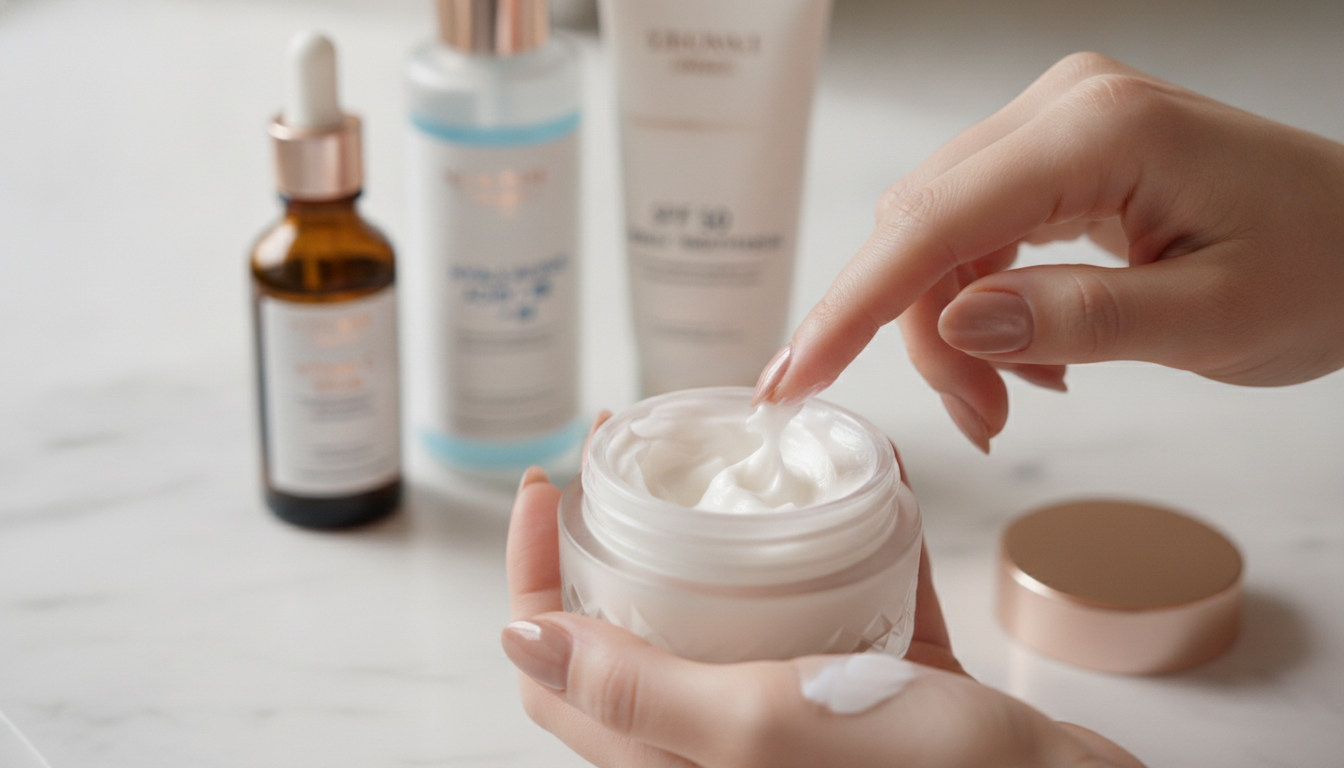
Complement your daily skincare routine with weekly intensive treatments. These wellness rituals boost the effect of your basic care.
- Face masks 1-2x a week: hydrating masks with hyaluronic acid or clay masks for a pore-refining effect
- Facial massage with a jade roller or gua sha: boosts circulation and lymphatic drainage, reduces puffiness
- Sheet masks for a quick refresh: perfect the evening before an important date
- Professional treatments every 4-6 weeks: HydraFacial or microdermabrasion treatments at the dermatologist
Choosing the Right Products for Your Skin Type
Not every highly praised product suits every skin type. The wrong choice can do more harm than good. Visit a dermatologist at least once for a professional skin analysis. Dr. Yael Adler, a Berlin dermatologist and bestselling author, recommends in her 2016 book "Haut nah" to determine your skin type first before investing in expensive products.
Normal Skin
You're lucky, almost all products work. Focus on prevention with antioxidants and sunscreen. The CeraVe Moisturizing Cream offers excellent value for money with ceramides and hyaluronic acid for just $15.
Dry Skin
Rely on rich textures and occlusive ingredients. Products with ceramides, squalane or shea butter form a protective barrier. Avoid harsh cleansers with sulfates. The Avène Cicalfate+ Restorative Protective Cream is specially developed for very dry, sensitive skin.
Oily and Blemish-Prone Skin
Light, oil-free formulations are ideal. Ingredients like niacinamide regulate sebum production. The Paula's Choice Clear Anti-Redness Exfoliating Solution with 2% BHA fights blemishes effectively. Avoid comedogenic oils like coconut oil.
Combination Skin
The T-zone needs different care than the cheek area. Multi-masking makes sense here: clay mask on the T-zone, hydrating mask on the cheeks. The Neutrogena Hydro Boost Gel-Cream is excellent as a lightweight base moisturizer.
Sensitive Skin
Less is more. Skip fragrances, essential oils and harsh active ingredients. The La Roche-Posay Toleriane line is formulated specifically for sensitive skin and dermatologist-tested. Always introduce new products one at a time and test them on your forearm first.
Common Mistakes in Your Skincare Routine
Even expensive products do nothing if they're applied incorrectly. Avoid these mistakes to protect your investment and get the best results.
The most common mistake is the wrong order. The basic rule is: thin to thick. Water-based serums before creams, oils always last. Vitamin C in the morning, retinol in the evening. These two active ingredients shouldn't be combined, as they can neutralize each other.
Many people overdo their skincare with too many products at once. Skin can only absorb a limited amount. A study published in the Journal of Cosmetic Dermatology in 2022 showed that more than 7 products per routine often lead to irritation without increasing effectiveness.
Aggressive rubbing when drying off damages delicate facial skin. Gently pat your face dry with a soft towel. Use a separate towel for your face and change it every 2-3 days to prevent bacteria buildup.
Neglecting the neck and décolleté is another classic mistake. These areas often show the first signs of aging. Extend every application down to the décolleté. At elegant events at luxury hotels, a well-cared-for décolleté contributes significantly to the overall impression.
Lifestyle Factors for Radiant Skin
The best skincare routine only works to a limited extent if your lifestyle is counterproductive. Beauty really does come from within.
Drink at least 2 liters of water a day (about 8 cups). The German Nutrition Society even recommends 2.5 liters (about 10 cups) for adults. Dehydrated skin looks dull and emphasizes wrinkles. Invest in a high-quality water bottle that you take everywhere.
Sleep is your cheapest anti-aging remedy. During deep sleep phases your body produces growth hormones that regenerate skin cells. The National Sleep Foundation recommends 7-9 hours per night. Use a silk pillowcase from Slip or Lilysilk to minimize friction and prevent wrinkles.
Nutrition directly affects your complexion. A 2019 study by Newcastle University showed that participants who took in omega-3 fatty acids, antioxidants and vitamin C daily showed significantly improved skin elasticity after 12 weeks. Include salmon, berries, nuts and leafy greens in your diet.
Stress shows up immediately on your face. Cortisol, the stress hormone, promotes inflammation and blemishes. Build in regular relaxation rituals. Meditation, yoga or even 10 minutes of mindful breathing have been shown to lower cortisol levels.
Investing in Professional Treatments
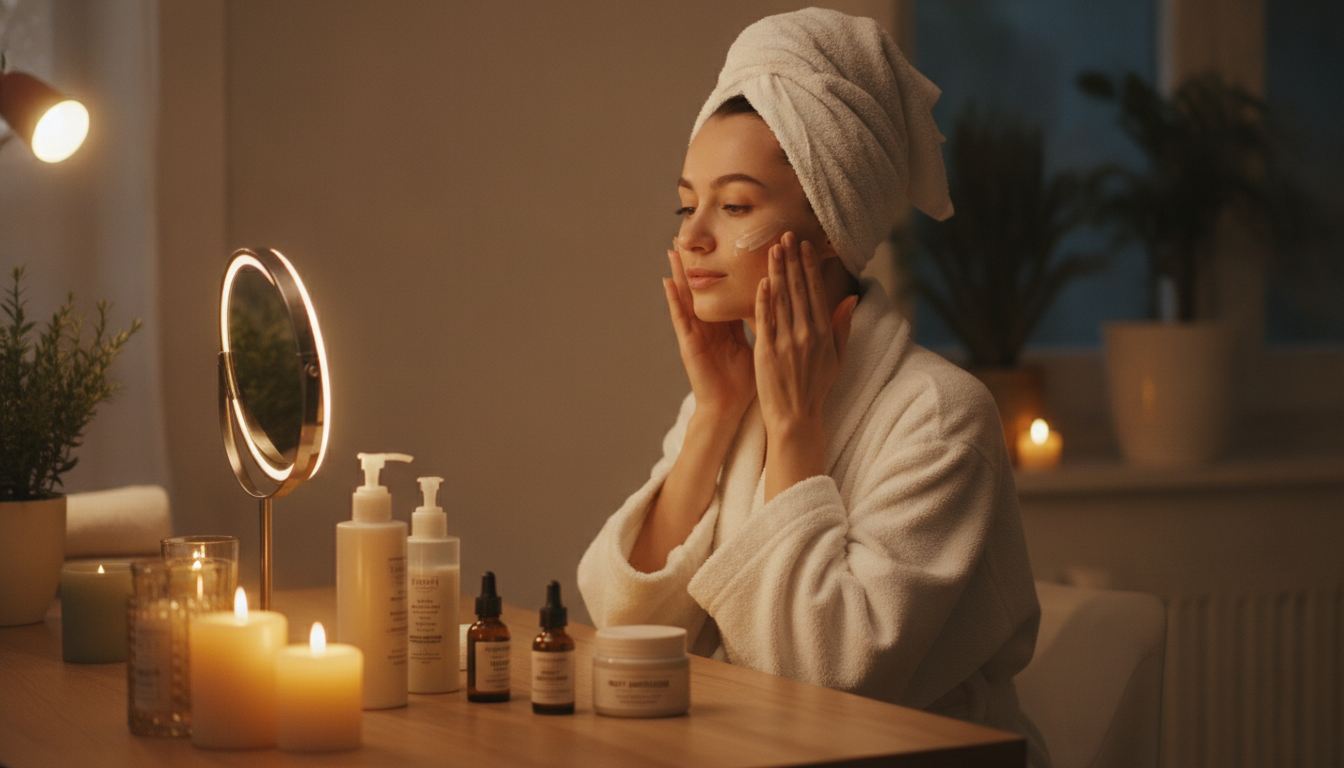
At-home treatments are the basis, but professional treatments take your skincare routine to the next level. Plan a quarterly budget of $200-$400 for treatments.
HydraFacial has been the most popular non-invasive treatment worldwide since 2019. The treatment combines cleansing, exfoliation, extraction and hydration in a 30-minute procedure. Cost: $150-$250 per session. Stars like Beyoncé and Chrissy Teigen swear by it.
Microneedling stimulates collagen production through controlled micro-injuries. A 2021 study by Witten/Herdecke University documented a 68% improvement in skin texture after 6 sessions. Cost: $200-$400 per session, with 4-6 sessions recommended.
Chemical peels at the dermatologist are more intense than at-home treatments. A medium-depth TCA peel costs $300-$600 and requires 7-10 days of downtime, but delivers dramatic results for pigmentation disorders and acne scars.
LED light therapy works as an anti-inflammatory (blue light) or collagen booster (red light). One session costs $80-$150. For at-home use, Dr. Dennis Gross offers the DRx SpectraLite FaceWare Pro for $455.
Long-Term Strategy and Patience
Skincare is a marathon, not a sprint. Realistic expectations are crucial for success. Most active ingredients show first results after 4-6 weeks at the earliest, and retinol even needs 12 weeks for visible improvements.
Keep a skincare journal. Photograph your face weekly under identical conditions. After 3 months you'll notice changes that don't stand out in everyday life. Apps like "SkinVision" or "FaceApp" can document progress.
Stay loyal to products for at least 8 weeks before replacing them. Constantly switching prevents active ingredients from developing their full effect. Exception: stop immediately in case of allergic reactions.
Invest in quality over quantity. Three high-quality, well-matched products work better than ten random drugstore items. Brands like Drunk Elephant, Paula's Choice or La Roche-Posay offer formulations that have been shown to be effective.
Frequently Asked Questions About Skincare Routines
How long should a complete skincare routine take in the morning and evening?
An effective morning routine takes 8-10 minutes, the evening routine 15-20 minutes. More important than the duration is consistency. Done daily, even shorter routines are more effective than occasional elaborate sessions. Build the time firmly into your daily schedule, ideally right after getting up and before going to bed.
When will I see the first results from my skincare routine?
First improvements in hydration and skin feel show up after 7-14 days. Visible improvements in blemishes need 4-6 weeks, and anti-aging active ingredients like retinol show first results after 12 weeks. Brightening pigment spots requires at least 3-6 months of consistent use with vitamin C and sunscreen.
Can I adjust my skincare routine during my period?
Yes, hormonal fluctuations affect the skin. In the week before your period, the skin produces more sebum, which can lead to blemishes. In this phase, use a BHA exfoliant in addition and cut back on rich creams. After your period the skin is more sensitive, so rely on soothing ingredients like centella asiatica or niacinamide.
How much should I invest monthly in my skincare routine?
A realistic budget is $80-$150 a month for high-quality products that last 2-3 months. You can buy items like cleanser and sunscreen at the drugstore ($10-$15 each), and invest more in serums and active ingredients ($30-$80). Budgeting for professional treatments quarterly raises the budget to $150-$250 a month.
Do I need to change my skincare routine in summer?
Definitely. In summer your skin needs lighter textures and higher sun protection (at least SPF 50). Swap rich creams for gels or light emulsions. Also use antioxidants like vitamin C to prevent UV damage. In winter, richer formulations with ceramides and oils make sense to protect the skin barrier against cold and heated air.
Conclusion: Your Skincare Routine as an Investment in Yourself
A well-thought-out skincare routine is more than cosmetics. It's a daily ritual of self-care that strengthens your confidence and highlights your natural beauty. In the sugar dating context, where you regularly move in upscale circles, well-cared-for skin is an indispensable part of your presence.
The combination of a consistent morning and evening routine, high-quality products and a healthy lifestyle has been shown to deliver results. Start with the basics – cleansing, moisture, sun protection – and expand your routine step by step. Quality beats quantity, consistency beats perfection.
Start your optimized skincare routine today. Invest in a professional skin analysis, choose products to match your skin type and stay consistent for at least 12 weeks. Your skin will thank you with a radiant, even complexion that wins people over on every date.